
Laboratory Findings on Energy Density Preloads
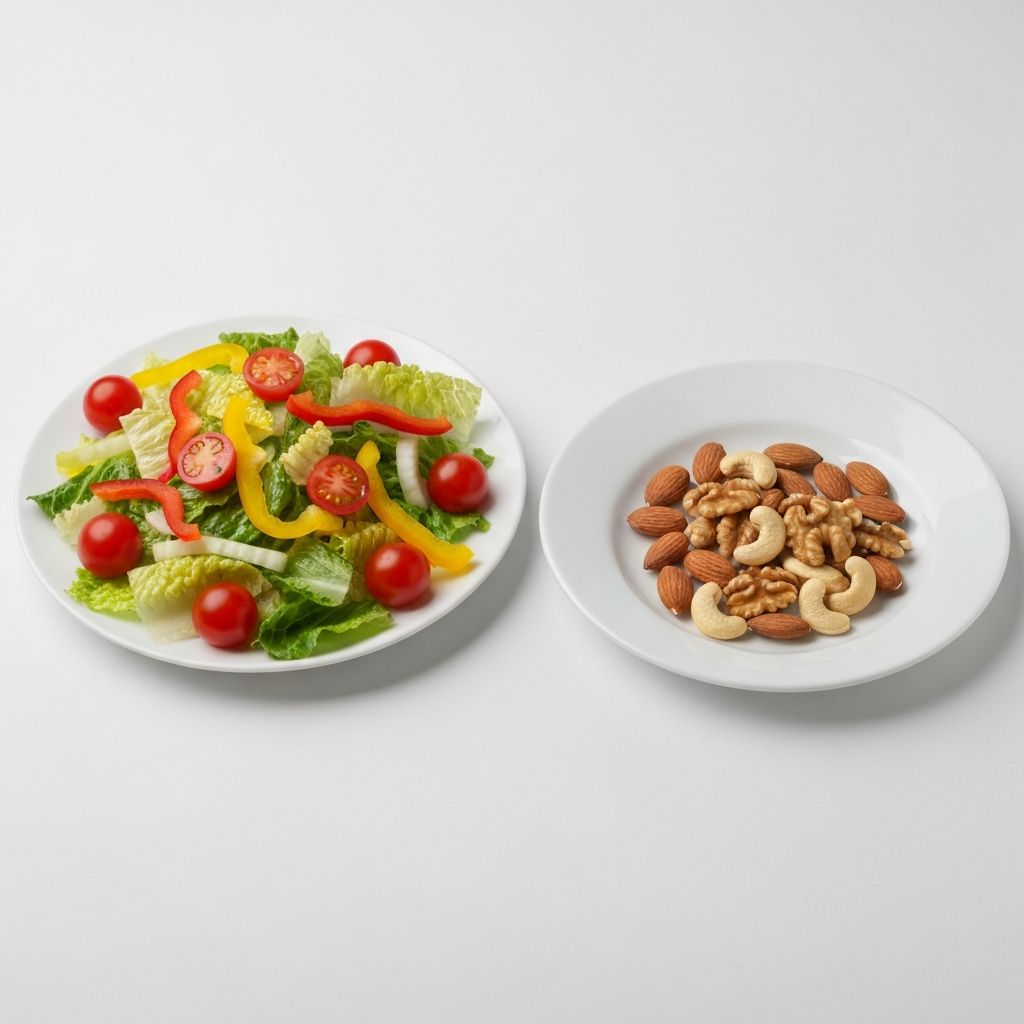
Preload Study Methodology
Laboratory investigations of energy density typically employ a "preload" design: participants receive a standardized meal of fixed caloric content (often 300–500 kcal) but varying energy density. After a delay (typically 15–60 minutes), they are offered an ad libitum test meal where they can eat as much or as little as desired. Researchers measure subsequent food intake to determine whether preload characteristics influenced hunger and eating behaviour.
Common Preload Formats
- Low-energy-density preloads: Large volumes of vegetables, fruit, or soup (often 500–800 mL) providing the fixed caloric target
- High-energy-density preloads: Small portions of nuts, chocolate, or oil-based foods (often 50–100 g) providing equivalent calories
- Control conditions: Sometimes no preload or a medium-density alternative for comparison
General Findings Across Studies
Typical outcome: Many studies report that low-energy-density preloads result in lower subsequent energy intake compared to high-energy-density preloads of equal calories. The magnitude of difference varies but ranges from 50–150 kcal (approximately 10–25% reduction in subsequent intake).
Variability: Effect sizes vary substantially between studies, and individual responses within studies show considerable variation. Some participants show strong reductions in subsequent intake after low-density preloads, while others show minimal difference.
Examples of Research Findings
Vegetable-based preloads: Studies using large-volume vegetable preloads (salads, vegetable soups) consistently find reductions in subsequent energy intake, often attributed to gastric volume effects and increased satiety from fiber.
Liquid-based preloads: Research on liquid preloads (broths, soups) shows variable results, with some studies finding satiety effects and others finding minimal impact—differences possibly related to sensory properties and rapid gastric emptying of liquids.
Solid vs. liquid formats: Some comparisons suggest solid low-energy-density foods produce stronger satiety effects than liquid equivalents, possibly due to mastication effects or differing neural signaling from solid versus liquid material.
Time Course of Effects
Energy density effects on subsequent intake appear to be most pronounced in the short term (within 1–2 hours post-preload):
- Immediate testing (15–30 minutes): Strongest differences in appetite ratings and test meal intake
- Delayed testing (60–120 minutes): Effects tend to diminish as initial satiety signals fade
- Very delayed testing (≥3 hours): Minimal or absent effects in many studies
Mechanistic Interpretations
Researchers attribute energy density effects to multiple mechanisms:
- Gastric volume: Physical stomach distension from large-volume low-density meals activates stretch receptors
- Fibre content: High-fibre low-density foods slow gastric emptying, prolonging satiety
- Nutrient sensing: Compositional differences in macronutrient ratios affect intestinal signalling
- Cognitive factors: Awareness of eating a "large" meal may influence perceived satiety and subsequent intake
Most likely, multiple mechanisms operate simultaneously, with relative contributions varying between individuals and specific foods.
Individual Differences and Modifiers
Several factors influence the strength of energy density effects on subsequent intake:
- BMI status: Some studies report stronger effects in individuals with obesity, while others find no BMI-related differences
- Eating behaviour traits: Restrained eaters may show different patterns than unrestrained eaters
- Hunger state: Preload effects may vary depending on initial hunger level
- Familiarity with foods: Novel low-energy-density preloads may have different effects than familiar foods
Limitations of Preload Research
Laboratory preload studies have important limitations:
- Artificial conditions: Test meals in laboratories may not represent typical eating behaviours
- Short duration: Most studies measure intake immediately or shortly after preloads, not long-term effects
- Fixed meal options: Test meals offered may not represent choices people would make in real-world settings
- Selection bias: Study participants may differ from the general population
- Compensation: Some individuals may compensate for low-density preloads by eating more at subsequent meals (not measured in single-meal tests)
Clinical and Practical Implications
Preload research demonstrates that meal energy density can affect short-term satiety and immediate subsequent intake in controlled settings. However, translation to long-term real-world dietary patterns remains uncertain. Laboratory effects do not automatically predict sustained changes in free-living dietary behaviour.